The economist further made a call for constitutional reform, noting that the existing framework may be holding back national development.
An economist, Paul Alaje, has warned that Nigeria could still be grappling with the same systemic issues of poverty, hunger, unemployment, and local government autonomy in the next two decades if critical economic and structural reforms are not made urgently.
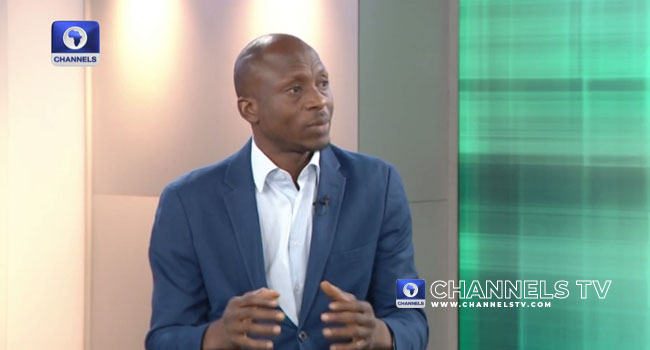
The Chief Economist and Partner at SPN Professionals was a guest on Channels Television’s Sunrise Daily programme on Monday where he reflected on President Bola Tinubu’s two years in office and the current state of Nigeria’s economy.
“Well, we might be talking about struggling with local government autonomy in the next 20 years. We were doing it 20 years ago, and in the next 20 years to come, we may do it if nothing changes.
“We might still have to discuss poverty, hunger and deprivation with high unemployment in the next 20 years if we do nothing,” Alaje said.

He stressed that simply maintaining governmental activity is insufficient, adding that the pressing question is whether the actions of the government are significant enough to tackle core economic issues such as inflation, unemployment, and food insecurity.
“When I say nothing, it does not mean the government at all levels will not do anything. It means what they are doing, will it be significant enough?”
The economist also highlighted electricity as a major factor in economic productivity, underscoring the direct link between power supply and poverty reduction.
“If we don’t have electricity, poverty may still reign supreme,” he said, citing global examples such as China and South Korea, which achieved economic transformation through widespread energy provision.
“Can we make electricity ubiquitous in most places where production is taking place in Nigeria? That’s the question. There is a direct relationship between wealth creation, poverty reduction, and energy provision. China proved it. South Korea proved it,” he noted.
Alaje added that Nigeria’s failure to address these challenges decisively will result in a future that mirrors its past. “We had these issues 20 years ago, and if we do nothing substantial, we will still be discussing them 20 years from now.”
The economist further made a call for constitutional reform, noting that the existing framework may be holding back national development.