By Capital Watch Media
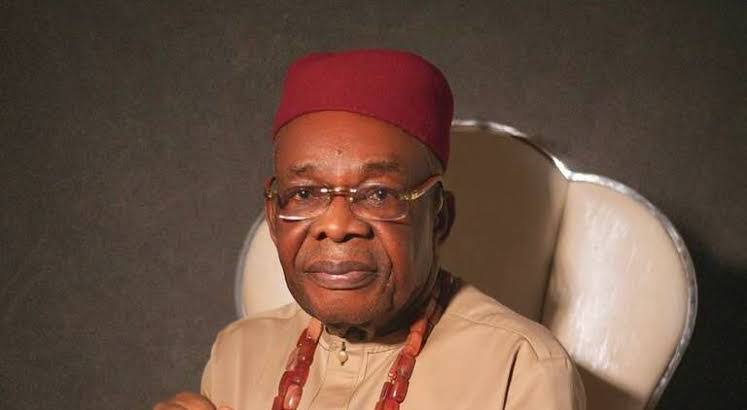
Former Minister of Lands, Housing and Urban Development, Chief Nduese Essien, has expressed dismay at the failure of governance at all levels and blamed politicians for using empowerment as a cover for non-performance.
Essien, a former leader of the South-South Parliamentary Caucus when he represented the Eket federal constituency in the National Assembly, described such schemes as wasteful and deliberate ploy to enlist the support of the people in the face of obvious under-achievements.
Addressing a forum in his country home in Eket local government area of Akwa Ibom State, Chief Essien, noted that “what is popularly known as empowerment is nothing more than a ruse, designed to mask the government’s inability to provide basic amenities and economic opportunities for its citizens.”
“The so-called empowerment programmes are largely a ruse and an easy cover-up for years of government failure and yet another avenue to squander the people’s money,” he stressed.
According to him, it is this long-standing failure that has pushed local government chairmen, lawmakers, and other public officials to assume responsibilities that should be handled by the government, such as providing necessities to the people.
“Governments are supposed to create an enabling environment in which people can live in dignity and cater for themselves. Throughout the colonial period, the short-lived independence era, and even military rule up to 1999, empowerment was not part of our political vocabulary. It simply didn’t exist, because government, in many ways, did its job,” he stated.
Chief Essien argued that no serious government in the world sustains poverty alleviation by handing out foodstuffs and cash to its citizens, pointing out that responsible nations focus on long-term investments that build human capacity and stimulate productivity.
“What responsible governments do is invest in people’s capacity to thrive by creating jobs, building infrastructure, and ensuring access to quality education, healthcare, and credit,” the elder statesman noted.
Citing examples from around the world, the former lawmaker pointed to Brazil and Mexico, where conditional cash transfers are linked to measurable outcomes such as child education and health checkups.