By Capital Watch Media
Rivers State is on edge following President Bola Tinubu’s declaration of a state of emergency, suspending Governor Siminalayi Fubara and key government officials.
The decision, announced in a nationwide address on Tuesday, has drawn mixed reactions, with opposition figures and legal experts weighing in on its legality.
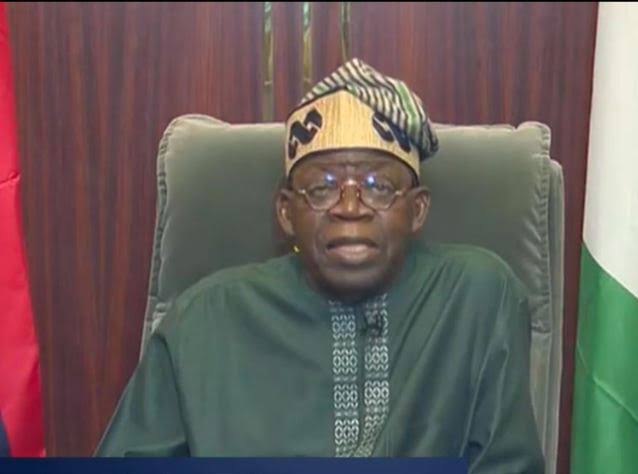
President Tinubu cited the prolonged political crisis in Rivers State as justification for the emergency rule, appointing Vice Admiral Ibokette Ibas (rtd) as administrator for six months.
Tensions escalated after 27 lawmakers, loyal to former governor Nyesom Wike, initiated impeachment proceedings against Governor Fubara and his deputy, Ngozi Odu.
“The situation in Rivers State justifies the proclamation of a state of emergency,” said Barrister Mathew Abakpa, citing constitutional provisions.
However, the Labour Party expressed strong reservations, with its National Publicity Secretary, Obiora Ifoh, calling the move “undemocratic and concerning for Nigerian democracy.”
PDP chieftain Dr Adejor Anthony accused President Tinubu of siding with Wike, stating, “Tinubu knows Wike is behind this crisis but has chosen to overlook it.”
The crisis deepened with an oil pipeline explosion in Gokana Local Government Area, which police attributed to suspected militants.
Another explosion followed in Ogba-Egbema-Ndoni Local Government Area after Tinubu’s declaration, heightening fears of escalating unrest.
Dr Yunusa Tanko of the Obidient Movement Worldwide warned that removing the governor could trigger a larger crisis, potentially destabilising the region.
“The way they are handling this may lead to a crisis beyond control,” he cautioned.
Meanwhile, the Nigerian military has taken control of Government House in Port Harcourt, reinforcing security amid growing tensions.
Pro-Fubara supporters have reportedly begun mobilising for demonstrations against the suspension of the elected government.
The Rivers crisis traces back to a political rift between Governor Fubara and his predecessor, Wike, over control of the state’s administration.
Wike’s loyalists in the House of Assembly, whose defections to the APC were ruled valid by the Supreme Court, have been pushing for Fubara’s impeachment.
Calls for dialogue have intensified, with civil society groups urging both sides to seek a peaceful resolution.
“The people of Rivers State must not suffer due to political power struggles,” said human rights activist Ayo Olumide.
Critics argue that Tinubu’s move sets a dangerous precedent, raising constitutional concerns about the suspension of an elected governor.
With the state under military control, political observers fear the crisis could fuel unrest in the oil-rich Niger Delta region.
As Rivers State enters an uncertain phase, national attention remains fixed on the evolving political and security situation.